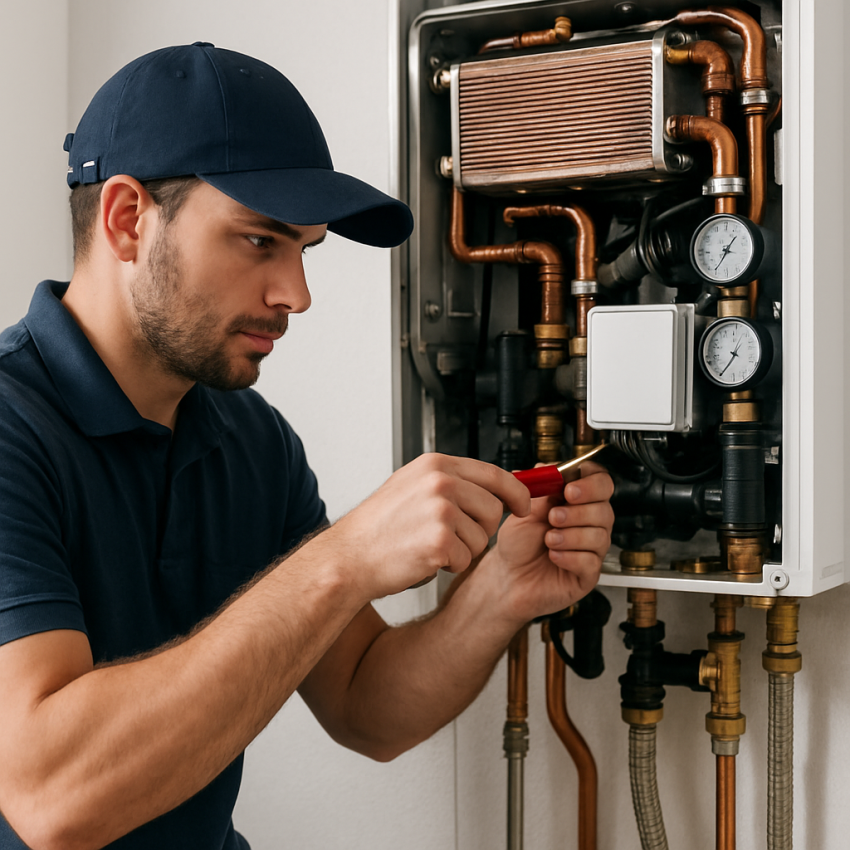
What a HIU does and why prompt repair matters
A heat interface unit (HIU) is the heartbeat of many modern apartments and mixed-use buildings connected to communal or district heating networks. Instead of each home having its own boiler, the HIU uses plate heat exchangers, control valves and sensors to transfer energy from the primary network into your flat’s independent hot water and heating circuits. When it is working correctly, you get consistent hot water, responsive radiators and stable bills. When it falters, comfort suffers and energy costs can rise quickly—sometimes across the entire building.
Several symptoms signal the need for heat interface unit repair. Intermittent or lukewarm hot water, radiators that never quite reach set temperature, or temperature swings at taps are common complaints. Unusual noises—whistling, humming or banging—can suggest differential pressure issues, scaled plate heat exchangers or partially stuck valves. Visible drips from a pressure relief valve, a constantly running heat meter, or a unit that refuses to switch between domestic hot water and space heating are further red flags. Even a subtle increase in energy charges can indicate poor return temperatures and inefficiencies inside the HIU.
Acting fast matters. A poorly performing HIU can return water to the network too hot, driving up heat losses and communal energy use. In apartment blocks across London, this can add real costs for residents and building owners. Prompt repairs protect against water damage from leaks, reduce the risk of scalding where mixing valves have drifted off calibration, and maintain the hygiene benefits of correctly controlled domestic hot water. Skilled engineers not only fix immediate faults but also re-commission the unit for optimal flow rates and delta-T, improving efficiency that pays back long after the visit.
Local expertise is especially valuable in London, where diverse building stock and varying network pressures demand practical experience. Engineers familiar with all major HIU brands can quickly identify whether the issue is a blocked strainer, a failing actuator, a sensor drifting out of range, or a control logic error. With fast callouts and fixed pricing for diagnostics, residents, landlords and property managers get clarity, speed and reliable results without unnecessary disruption.
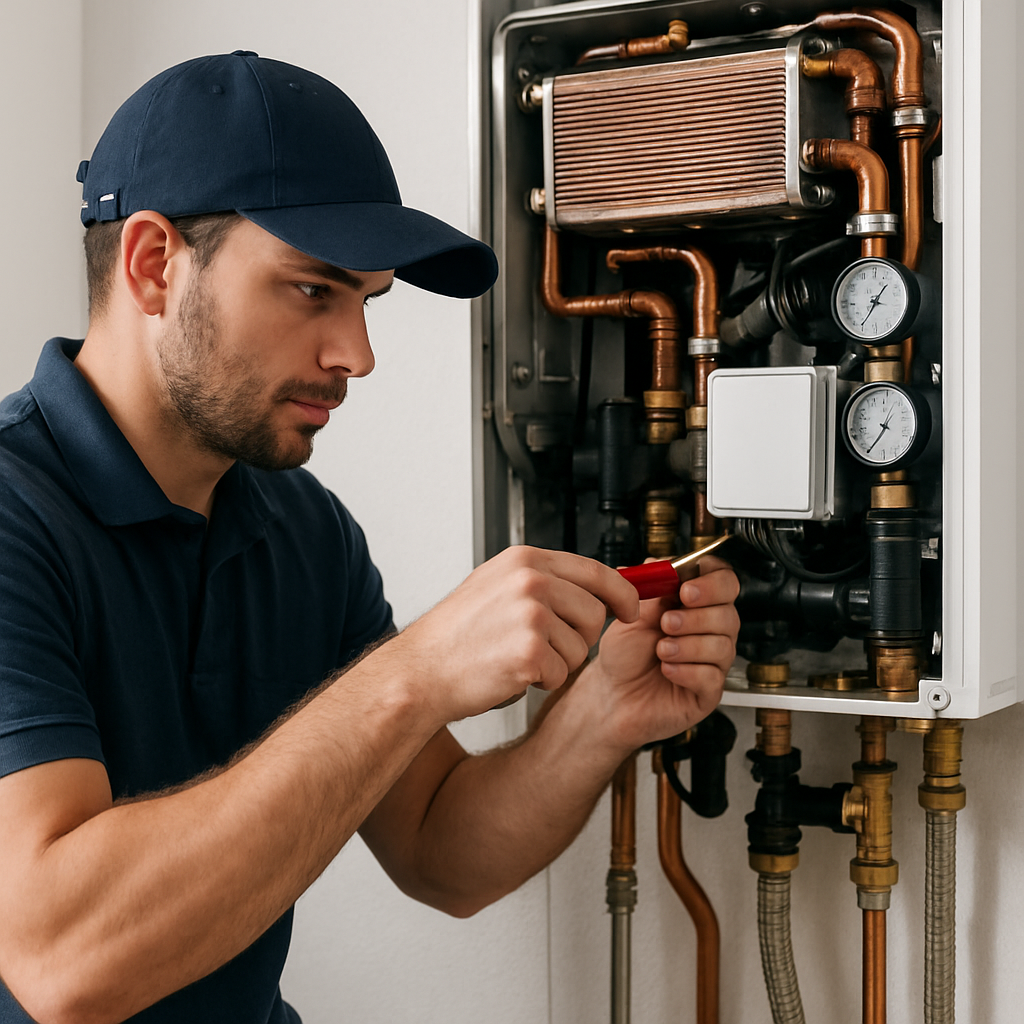
Typical HIU faults, how professionals diagnose them and what fixes last
Most HIU failures trace back to a handful of mechanical and control issues. Understanding these helps explain why a thorough diagnostic saves time and money. One of the most frequent culprits is fouling: strainers clogged with debris or a scaled domestic hot water plate heat exchanger. When that happens, hot water might arrive slowly, fluctuate in temperature, or cut out as flow sensors fail to detect sufficient movement. The fix ranges from removing and cleaning strainers to chemically descaling or replacing the plate heat exchanger, then flushing and dosing to prevent repeat build-up.
Another common issue involves control valves and actuators. HIUs typically prioritise domestic hot water using motorised two-port valves or control cartridges. When an actuator fails or a valve sticks, you can lose hot water or space heating—or the unit may “hunt” between modes. Engineers test actuator response, check the valve stroke and replace worn cartridges before recalibrating setpoints. Differential pressure and balancing devices, including DPCVs or PICVs, can also degrade. If they stick open or closed, noise increases, internal components wear faster and return temperatures soar. Resetting or replacing these components and balancing the system restore quiet operation and higher efficiency.
Electronics matter too. Temperature probes (NTCs), flow switches and control boards provide the logic that ensures the HIU meets demand efficiently and safely. A sensor drifting just a few degrees out of range can cause tepid showers or erratic cycling. The remedy is straightforward: confirm readings with calibrated instruments and fit new sensors where necessary. If a control board is at fault, proper fault-finding and safe isolation precede replacement and recommissioning. Expansion vessel and pressure relief components within the secondary heating loop are another weak point—loss of vessel charge can trigger frequent PRV discharges. Re-pressurising or replacing the vessel and PRV stops the leak and protects the rest of the system.
Professional diagnostics bring structure to repair. Engineers measure flow and return temperatures across plate heat exchangers, verify domestic hot water flow rates, read system and differential pressures, and test control sequences under load. Thermal imaging can reveal cold spots and restrictions. Water quality checks and, where indicated, powerflushing of the secondary heating circuit clear sludge that starves radiators and sticks valves. Only after a complete picture emerges does the technician specify parts, avoiding guesswork and repeat visits. For residents and building managers seeking dependable outcomes, booking expert Heat interface unit repair ensures faults are fixed at the root cause and the HIU is left properly commissioned for stable, efficient operation.
Real-world repair scenarios, costs you can plan for and proactive maintenance that prevents breakdowns
In a central London apartment where hot water ran hot-cold-hot during morning showers, diagnostics showed a scaled domestic hot water plate heat exchanger and a sluggish flow sensor. The engineer isolated the unit, removed and descaled the exchanger, replaced the sensor, cleaned the strainer and reset the mixing valve to the correct setpoint. Result: steady hot water at taps, reduced cycling, quieter operation and a measurable drop in energy draw thanks to improved heat transfer and a better delta-T on the primary side.
Another example from a riverside development involved several flats complaining about HIU noise and rising communal bills. Investigation found ageing differential pressure control cartridges combined with partially stuck control valves. By replacing the cartridges, freeing and calibrating valves, and balancing flows, return temperatures across the block dropped by more than 10°C. That single intervention reduced pumping energy, cut heat losses on risers and helped stabilise costs for residents—proof that targeted HIU repairs can deliver building-wide benefits.
Homeowners, landlords and property managers often ask about timelines and costs. A clear process makes planning simpler. First comes triage: model identification, symptom review and, where possible, photos of the nameplate and pipework layout. Many issues—like failed actuators, sensors or blocked strainers—are resolved on the first visit from stocked vans. More complex jobs that require specific OEM parts may need a rapid follow-up once components arrive. With fixed pricing for fault-finding and transparent quotes for parts and labour, there are no surprises. Where immediate hot water or heating is critical, engineers prioritise temporary workarounds to restore service the same day, then return to complete permanent repairs.
Prevention is as important as cure. An annual HIU service is the simplest way to avoid unexpected breakdowns and inflated bills. A comprehensive service includes cleaning strainers and dirt separators, descaling or inspecting plate heat exchangers, checking actuators and valves for free movement, verifying sensor accuracy, recharging the expansion vessel, testing the pressure relief valve, and confirming all setpoints deliver comfortable temperatures without overshooting. Water quality treatment—flushing and dosing with inhibitor—keeps the secondary heating circuit clear of sludge. Where radiators are persistently cold or imbalanced, targeted powerflushing restores flow and extends component life.
Upgrades also pay off. Replacing tired mixing valves, fitting more robust PICVs, improving insulation on accessible pipework, and integrating smarter room controls help the HIU deliver comfort with less energy. For multi-unit buildings, consistent commissioning standards and record-keeping across apartments ensure each HIU supports the network’s efficiency goals, not just individual comfort. In a city like London, where many homes rely on communal heating infrastructure, well-maintained HIUs reduce carbon intensity, stabilise running costs and protect property assets. Engaging experienced, brand-agnostic engineers who understand both the unit and the wider heat network keeps heating and hot water reliable through every season.

Beirut architecture grad based in Bogotá. Dania dissects Latin American street art, 3-D-printed adobe houses, and zero-attention-span productivity methods. She salsa-dances before dawn and collects vintage Arabic comic books.