Developing strong writing skills in fourth graders is essential for their academic progress and future success. At this pivotal stage, students transition from basic sentence construction to more organized and detailed compositions. Teachers and parents are constantly seeking practical ways to help students overcome common writing challenges. Early exposure to varied 4th grade writing activities not only motivates young writers but also helps them discover their unique voices on paper.
Providing engaging, meaningful writing opportunities encourages students to express themselves and understand that writing is not just a classroom requirement but a critical life skill. Teachers can create a supportive environment by understanding the types of obstacles fourth graders face and tailoring instruction accordingly. Utilizing creative prompts, collaborative exercises, and technology tools can transform writing from a daunting task to an enjoyable and rewarding process for every student.
When educators combine traditional instruction with modern techniques, fourth graders develop the confidence to explore a range of writing styles. They also benefit from cross-curricular connections, as skills learned in English class are reinforced in science and social studies assignments. As children are given more opportunities to write for different purposes and audiences, their ability to communicate clearly and effectively will only strengthen.
In this guide, we will explore key strategies for enhancing fourth-grade writing competency, ensuring each child has the support and resources necessary to reach their full potential.
Understanding Fourth Grade Writing Challenges
Fourth-grade students encounter a significant rise in writing expectations. At this stage, children move away from basic paragraph writing and are expected to craft structured essays with clear introductions, supporting details, and conclusions. Many students struggle to organize their thoughts, use precise vocabulary, and edit their own work. For some, the task of writing longer compositions can be intimidating, leading to decreased motivation and confidence. Understanding these hurdles allows teachers to provide targeted instruction and support that meets students where they are.
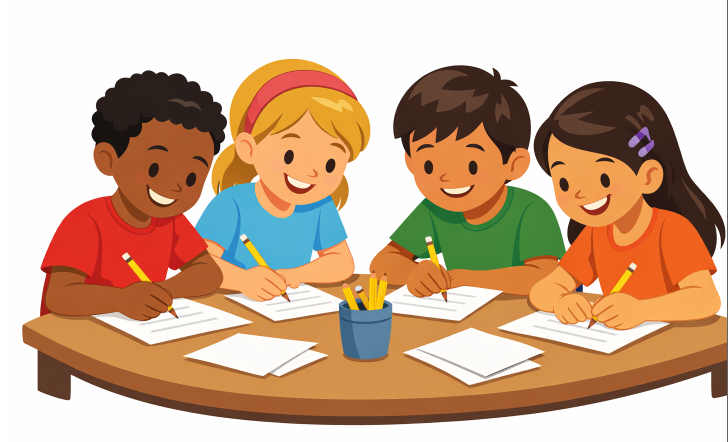
Implementing Engaging Writing Prompts
One effective way to boost creativity and interest in writing is by using engaging prompts. These activities tap into students’ imaginations, making writing less about perfection and more about self-expression. Prompts might include asking students to describe their dream vacation, recount a personal experience, or invent a new gadget that solves an everyday problem. By allowing for choice and creativity, educators give students ownership over their writing process. Consistent use of such activities encourages children to take risks and expand their comfort zones, which strengthens overall writing stamina.
Leveraging Technology in Writing Instruction
Integrating digital tools in fourth-grade writing instruction opens new doors for interactive learning. Programs like NoRedInk, which adapt to each student’s skill level, offer personalized grammar and writing exercises in an engaging format. Interactive story creators and word processing software also make the drafting and editing process smoother. According to Edutopia, technology motivates students and enables immediate feedback, enhancing both their technical and creative writing abilities.
Incorporating Reading to Enhance Writing
Frequent reading is fundamental to improving a student’s writing abilities. By exposing children to different genres, styles, and voices, they learn how language works and what makes writing effective. Teachers should encourage students to read narrative texts, informational passages, poetry, and persuasive articles. Incorporating reading comprehension activities cultivates critical thinking and provides models for students to emulate in their own work. As children analyze how authors use language to explain, persuade, or entertain, they gain tools to develop a richer vocabulary and more robust sentence structures in their writing.
Utilizing Peer Review and Collaborative Writing
Collaboration is a powerful motivator in the writing process. Peer review sessions allow students to share their work and receive constructive criticism in a supportive environment. Through guided group activities, learners develop editing and revision skills while also practicing empathy and active listening. Collaborative writing projects enable participants to brainstorm, draft, and edit together, providing a sense of accomplishment and shared responsibility. According to Studentreasures, peer review helps students become more attentive readers and reflective writers, which improves overall writing quality.
Providing Constructive Feedback
Timely, specific, and actionable feedback is crucial for student growth. Teachers should focus on highlighting the strengths in each piece of writing, as well as identifying clear areas for improvement. Guiding students through the revision process offers them a roadmap to future success. Encouraging self-assessment and reflection also builds independence, helping young writers internalize good writing habits. Feedback delivered regularly supports students in building confidence and resilience throughout their writing journey.
Encouraging Writing Across the Curriculum
Writing should not be confined to language arts classes. Teachers can reinforce writing skills by integrating them into science, social studies, and math assignments. Asking students to write lab reports, reflect on historical events, or explain mathematical thinking demonstrates the real-world relevance of clear, effective communication. Cross-curricular writing assignments help students apply their skills in diverse contexts, increasing both engagement and retention of key concepts.
Conclusion
Building strong writing skills in fourth-grade students involves a mix of encouragement, creativity, and strategic instruction. By recognizing the challenges young writers face and implementing engaging prompts, technology, and collaborative practices, educators can unlock every child’s full potential. Regular reading and writing across all subjects prepare students for continued academic success and lifelong communication. Nurturing writers in the classroom means fostering curiosity, confidence, and a lasting love for the written word.

Beirut architecture grad based in Bogotá. Dania dissects Latin American street art, 3-D-printed adobe houses, and zero-attention-span productivity methods. She salsa-dances before dawn and collects vintage Arabic comic books.