Men’s mental health is finally getting the attention it deserves, yet too many men still feel pressure to push through pain, minimize symptoms, or “fix it” alone. The truth is simple: challenges like stress, depression, anxiety, trauma, and substance use are common—and highly treatable. With the right support, men can build durable skills, strengthen relationships, and reclaim energy and purpose. An integrative, personalized approach—one that blends therapy, education, and practical tools—gives men the structure and confidence to move forward. If you or someone you love has been wondering when to start, consider this your sign that the best time is now. Progress begins with a single, informed step.
What Men Experience: Common Conditions, Hidden Symptoms, and Why They’re Often Missed
When people picture depression, they often imagine sadness and tears. In men, depression can present differently: irritability, anger, shutting down, risky behavior, overwork, or increased drinking. Anxiety may look like controlling tendencies, restlessness, muscle tension, or avoidance of situations that feel unpredictable. Trauma and PTSD can drive hypervigilance, nightmares, emotional numbness, and a constant readiness to “fight or flight.” These patterns are not character flaws—they’re nervous system responses that can be understood and treated.
Physical symptoms frequently mask psychological distress. Headaches, stomach issues, chest tightness, insomnia, fatigue, and chronic pain are common in stressed or depressed men. Some see multiple medical providers before anyone asks about mood, stress load, or life changes. Men may also underreport symptoms due to cultural expectations around toughness, which leads to underdiagnosis and delayed care. The result: problems deepen, relationships strain, and performance at work or school suffers.
Substance use often complicates the picture. Many men reach for alcohol, cannabis, or stimulants to smooth out anxiety or lift low mood. While these may offer brief relief, they tend to worsen sleep, concentration, and motivation over time. Likewise, compulsive behaviors—gambling, online escapes, or pornography—can numb stress in the short term while eroding confidence and connection.
Consider a few real-world scenarios. A 38-year-old father becomes short-tempered after months of poor sleep and job stress; his partner notices he’s distant and drinking more at night. A veteran avoids crowds and startles easily, telling friends he just prefers to “keep to himself.” A high-achieving professional feels constantly “on,” yet can’t turn off racing thoughts when the day ends. Each is experiencing a different slice of men’s mental health challenges—and each can get better with targeted care.
Importantly, men often respond well to a skills-first model. When care focuses on practical strategies—sleep, stress regulation, cognitive tools, and step-by-step problem-solving—engagement rises. Education about how the brain and body respond to stress validates experience and opens the door to deeper work. Naming what’s happening reduces shame; learning what to do next restores agency.
Breaking Through Barriers: Stigma, Practical Supports, and Evidence-Based Care That Works
Stigma remains a major barrier. Many men believe they should “handle it,” fear that therapy signals weakness, or worry about how seeking help might affect work. In truth, prioritizing mental health is a performance multiplier—improving focus, adaptability, decision-making, and leadership. Treatment protects relationships and careers; it doesn’t threaten them. Confidential care, flexible scheduling, and clear goals make it easier to start and stay engaged.
Evidence-based therapies give men a clear roadmap. Cognitive behavioral therapy (CBT) helps identify unhelpful thought patterns and build more effective habits. Acceptance and commitment therapy (ACT) teaches men to handle difficult emotions while moving toward values-driven action. For trauma, EMDR and trauma-focused CBT can reduce symptoms and restore a sense of safety. When medication is appropriate, modern options are targeted and often well-tolerated; paired with therapy, they can speed relief. Motivation grows when men see measurable progress, so many clinicians use symptom check-ins and collaborative treatment planning to keep care aligned with real goals.
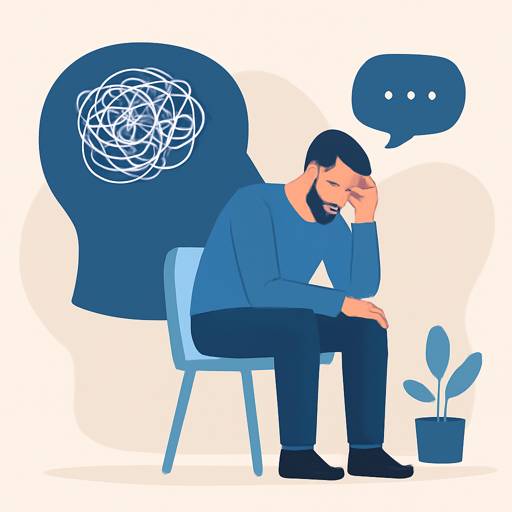
Integrative care recognizes that mind and body are deeply connected. Improving sleep, nutrition, fitness, and routines strengthens the foundation of recovery. Skills like diaphragmatic breathing, progressive muscle relaxation, and brief mindfulness practices help men regulate stress in minutes, not hours. Education—about brain chemistry, stress hormones, and the sleep-wake cycle—demystifies symptoms and builds confidence. Family or couples sessions can improve communication and reduce conflict, especially when loved ones want to help but aren’t sure how.
Community and timing also matter. Men often find momentum by joining groups where other men speak plainly about stress, marriage, fatherhood, or sobriety. Seasonal touchpoints can jump-start action; for example, learning more during awareness months can turn intention into a plan. To explore a practical primer on awareness and action, see mens mental health. Whether beginning with a screening, scheduling an assessment, or trying a skills workshop, starting somewhere is what counts. With a collaborative, personalized plan, most men notice early wins—better sleep, fewer blowups, more energy—that compound into lasting change.
From Awareness to Action: Scenarios, Skills, and Next Steps for Men, Partners, and Employers
Knowing what to do next turns insight into progress. For men: begin with a brief self-check. How are sleep, irritability, motivation, concentration, and alcohol use? Are you withdrawing from friends or avoiding activities you once enjoyed? Do you feel keyed up or numb? Jot down patterns over a week. Then schedule a professional evaluation—virtual or in-person—with a clinician experienced in working with men. Bring notes, list medications, and identify top goals (better sleep, less irritability, improved focus). Ask for a plan that includes both quick-relief strategies and longer-term work.
Build a practical toolkit. Aim for consistent sleep and wake times, even on weekends. Reduce alcohol on weeknights to protect deep sleep. Use a five-minute breathing drill before difficult conversations or meetings. Try a daily “reset”—a short walk, light mobility work, or brief meditation—to drop stress before the evening begins. Use cognitive skills: notice catastrophic thoughts, replace them with balanced alternatives, and take small, values-aligned actions even when motivation is low. Track wins, not just setbacks; progress fuels more progress.
For partners and families: approach with curiosity, not criticism. Use language that emphasizes teamwork—“I’m on your side; can we figure this out together?”—and focus on shared goals like calmer evenings or better rest. Encourage professional help and offer practical support (handling bedtime one night, booking an appointment, or joining a session). Celebrate incremental improvements. Remember that anger or withdrawal often signals distress, not disinterest; structure, kindness, and clear limits can coexist.
For employers and teams: normalize mental health as a performance essential. Encourage use of EAPs and benefits without stigma. Train managers to spot red flags—sudden disengagement, frequent conflicts, presenteeism—and to respond with supportive scripts and resources. Offer flexibility during acute stress periods and recognize that early support prevents costly burnout. Peer-led groups, mental health literacy workshops, and clear crisis protocols create safer, higher-performing workplaces.
Consider how actionable steps play out in real life. A new dad who snaps at home and dreads work begins CBT-focused sessions, starts a consistent sleep routine, and reduces alcohol. Within weeks, he reports fewer arguments and better focus. A first responder with trauma symptoms tries EMDR alongside strength training and weekly peer support; nightmares decrease, and family time improves. A college athlete learns performance anxiety skills—breathing, imagery, and thought reframing—and enjoys the game again. Each path is unique, yet the formula is similar: compassionate assessment, a tailored plan, practical tools, and steady follow-through.
Above all, remember this: mens mental health is not a niche topic—it’s a cornerstone of thriving families, strong teams, and healthy communities. With integrative, evidence-based care and a collaborative approach, men can move from coping to truly living. If it’s been hard to ask for help, that’s normal. Take the smallest step you can take today. The next one will be easier.

Beirut architecture grad based in Bogotá. Dania dissects Latin American street art, 3-D-printed adobe houses, and zero-attention-span productivity methods. She salsa-dances before dawn and collects vintage Arabic comic books.