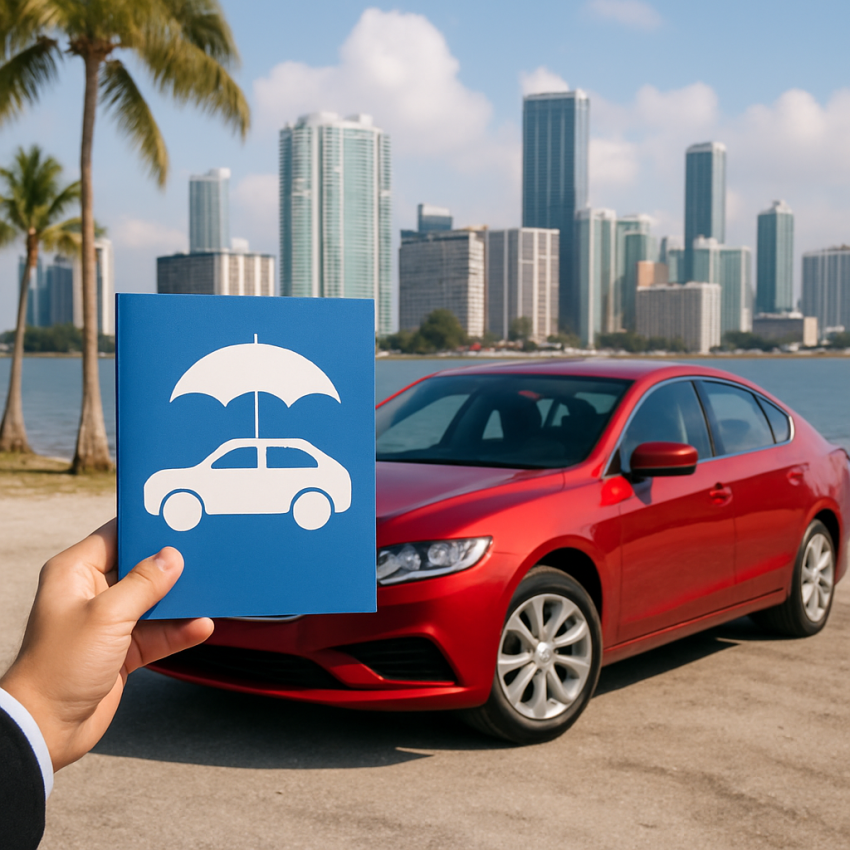
Driving in Miami blends ocean views with fast-paced traffic, sudden rainstorms, and an always-on lifestyle. That mix makes choosing auto insurance Miami drivers can truly rely on more than a legal checkbox—it’s a financial safety plan tailored to the 305. From no-fault rules to hurricane-season realities, the right policy balances state requirements with real-world risks so you can cruise the Causeway, navigate Brickell, or head down the Palmetto with confidence.
What Miami Drivers Really Need: Florida Requirements vs. Real-World Risks
Florida is a no-fault state, which means your own insurance helps cover your injuries after a crash—no matter who caused it. The law requires Personal Injury Protection (PIP) and Property Damage Liability (PDL). PIP generally covers a portion of your medical expenses and lost wages up to a set limit (often 80% of medical bills and 60% of lost income, subject to a $10,000 cap and other restrictions), while PDL pays for damage you cause to someone else’s property. These minimums satisfy legal requirements, but they rarely reflect the costs of a serious crash, a multi-car pileup on I-95, or luxury vehicle repairs near Miami Beach.
That’s why many locals choose to go beyond the minimums with higher liability limits and add-ons that match Miami’s unique exposures. Consider Uninsured/Underinsured Motorist (UM/UIM) coverage. With roughly one in five Florida drivers estimated to be uninsured, UM/UIM can step in for injuries when the at-fault driver can’t pay. It’s especially valuable after major collisions on high-speed corridors like the Dolphin (SR 836) or Palmetto (SR 826), where medical bills can escalate quickly.
Next, think about your car itself. Collision coverage pays to repair your vehicle after a crash, regardless of fault. Comprehensive covers non-collision losses: theft, vandalism, fire, falling objects, and storm damage—critical during hurricane season. Storm surge and flash flooding can total a vehicle in minutes in low-lying neighborhoods or coastal parking structures. Comprehensive is what helps cover water damage or a tree limb coming down in a tropical squall. Miami drivers also benefit from robust glass coverage—many policies include no-deductible windshield repair or replacement—because highway debris and daily commuting can make chips and cracks a fact of life.
Don’t overlook medical options. While PIP is foundational, some drivers add Medical Payments (MedPay) to help fill gaps for co-pays or deductibles, especially if health insurance has high out-of-pocket costs. And if you have a loan or lease on a newer car, GAP coverage can pay the difference between the car’s actual cash value and what you owe if it’s totaled—helpful for quick-depreciating vehicles or those with advanced technology packages common around Brickell and Doral.
How to Customize a Policy for Miami Lifestyles and Budgets
There’s no one-size-fits-all policy for the Magic City. The right plan depends on how and where you drive, where you park, and your budget. Daily I-95 commuters may prioritize higher liability limits (think 100/300/100 or more) plus collision and comprehensive with a practical deductible. Condo dwellers who park in secure garages might opt for a slightly higher comprehensive deductible to lower premiums, while street parkers near busy nightlife in Wynwood or Little Havana may prefer a lower deductible for quicker, more affordable fixes after fender benders or hit-and-runs.
If you drive for Uber or Lyft, standard personal auto insurance typically won’t cover you while the app is on. A rideshare endorsement closes that gap during “Period 1” (app on, no rider yet), bridging the coverage void that many drivers don’t realize exists until it’s too late. Students at UM or FIU living away from home can sometimes qualify for distant-student discounts, while seasonal residents can fine-tune mileage and coverage timing to reflect time spent in-state. For drivers of high-end vehicles in Brickell or Miami Beach, you might consider original equipment manufacturer (OEM) parts endorsements, agreed value coverage, or higher rental reimbursement limits to stay mobile while your car is in a specialty shop.
Budget-wise, there are many smart levers. Telematics programs reward safe habits like gentle braking and off-peak driving—useful if you avoid rush-hour congestion on the Dolphin. Bundling home, condo, or renters insurance with auto often unlocks sizable savings. Multi-car discounts, paying in full, and keeping a clean record all help. Defensive driving courses may also reduce premiums for eligible drivers. Teen drivers raise rates, but good student discounts and driver education can soften the hit. If a DUI has occurred, Florida may require higher liability limits through FR-44 certification—work with a knowledgeable local agent to meet those obligations without overpaying.
Real-world example: A Kendall family with two commuting parents and one teen driver switched to higher liability limits, added UM, and moved from a low to a mid-level deductible on collision and comprehensive. They enrolled the teen in a telematics program and completed a defensive driving course. The result was better protection and only a moderate premium change—offset further by a multi-policy discount after adding condo coverage. This approach illustrates how aligning coverage with risk, then applying layered discounts, can deliver both protection and value.
Savings, Claim-Readiness, and Local Tips to Keep Your Premiums in Check
True savings come from balancing price with protection—not from stripping essentials. Start by choosing coverage limits that reflect Miami realities. High medical costs and expensive property damage can drain savings fast; robust bodily injury liability and UM/UIM help protect your assets if the worst happens. Manage deductibles intentionally: a higher comprehensive deductible might make sense if you garage your car in Coconut Grove, whereas a lower deductible can be a relief if your vehicle stays curbside overnight in busier districts.
Next, fine-tune rating factors you can influence. Safe driving is the biggest lever—avoid aggressive maneuvers on the Palmetto, heed changing speed limits on causeways, and keep a clean timeline free of at-fault accidents. Insurance scores and continuous coverage history matter: pay on time, avoid lapses, and review your policy every renewal to match life changes like new commutes or a different parking setup. Mileage affects risk, too; if you’ve shifted to hybrid work and drive fewer miles, make sure your policy reflects that. Ask about employer, alumni, or professional group discounts—sometimes overlooked but meaningful over a year.
Prepare for the unexpected to minimize claim stress. Keep an emergency kit in the trunk with a phone charger, flashlight, tire inflator, reflective triangles, and a copy of your insurance ID. A small dashcam can clarify fault after a merge mishap on I-195. If a crash occurs, move to safety, photograph all angles, exchange information, and document weather and road conditions; prompt, thorough details can speed repairs and help avoid disputes. During hurricane season, park on higher ground or upper garage levels, avoid trees and flood-prone streets, and verify that comprehensive coverage is active well before storms threaten—most insurers stop allowing new changes once a storm is named.
When comparing quotes, look beyond the premium. Check repair guarantees, choice of body shops, OEM vs. aftermarket parts policies, rental reimbursement limits, and glass repair terms. If your schedule is hectic, 24/7 claims support and digital photo estimating can get you back on the road faster. For local guidance, seek a Miami-based agent who understands neighborhood nuances—from Downtown high-rises to Westchester side streets—and can help translate coverage into everyday decisions. When you’re ready to explore options or benchmark your current plan, a trusted resource for auto insurance Miami can make sure your policy matches the way you really live and drive—today and as your needs evolve.
Finally, revisit your policy at least once a year. Add or remove drivers, update garaging addresses, and adjust coverage as vehicles age or are replaced. If you’ve invested in safety tech like blind-spot monitoring or automatic emergency braking, ask about corresponding discounts. And if your premium spikes unexpectedly, request a coverage review: sometimes small tweaks—like calibrating deductibles, refining mileage, or qualifying for a new discount—restore balance without sacrificing the strong, Miami-ready protection that keeps your car, budget, and peace of mind intact.

Beirut architecture grad based in Bogotá. Dania dissects Latin American street art, 3-D-printed adobe houses, and zero-attention-span productivity methods. She salsa-dances before dawn and collects vintage Arabic comic books.